In stock now: Hikvision CCTV cameras & recorders, priced and ready to order  Shop now →

Sunnovate Systems
Home Projects

Home/Security

Protection that works as one system

Surveillance, entry control, fire detection and automation, specified together — so they behave as a single installation instead of four separate purchases.

The usual state of things

Most properties do not have a security system. They have four unrelated ones.

Cameras fitted by one vendor, a gate reader by another, a smoke detector nobody has tested since handover, and an alarm the current staff do not know how to arm. Each part works in isolation. None of them work together.

When something happens, the footage covers the wrong angle, the access log is on a machine nobody can log into, and the response depends on who happens to be looking. Coordination is the difference between equipment and security.

What we install

Four disciplines, one specification

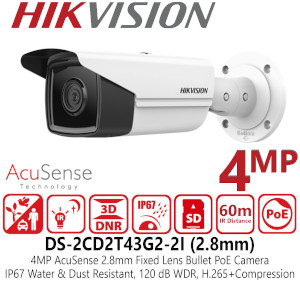
Hikvision 4MP AcuSense fixed bullet camera

CCTV surveillance

Camera positions planned around real sight lines, entry points and lighting conditions — not spaced evenly around a building. Recording configured so footage is still usable when you need it weeks later.

Network & analogue · Dome · bullet · PTZ · Remote viewing · Night vision

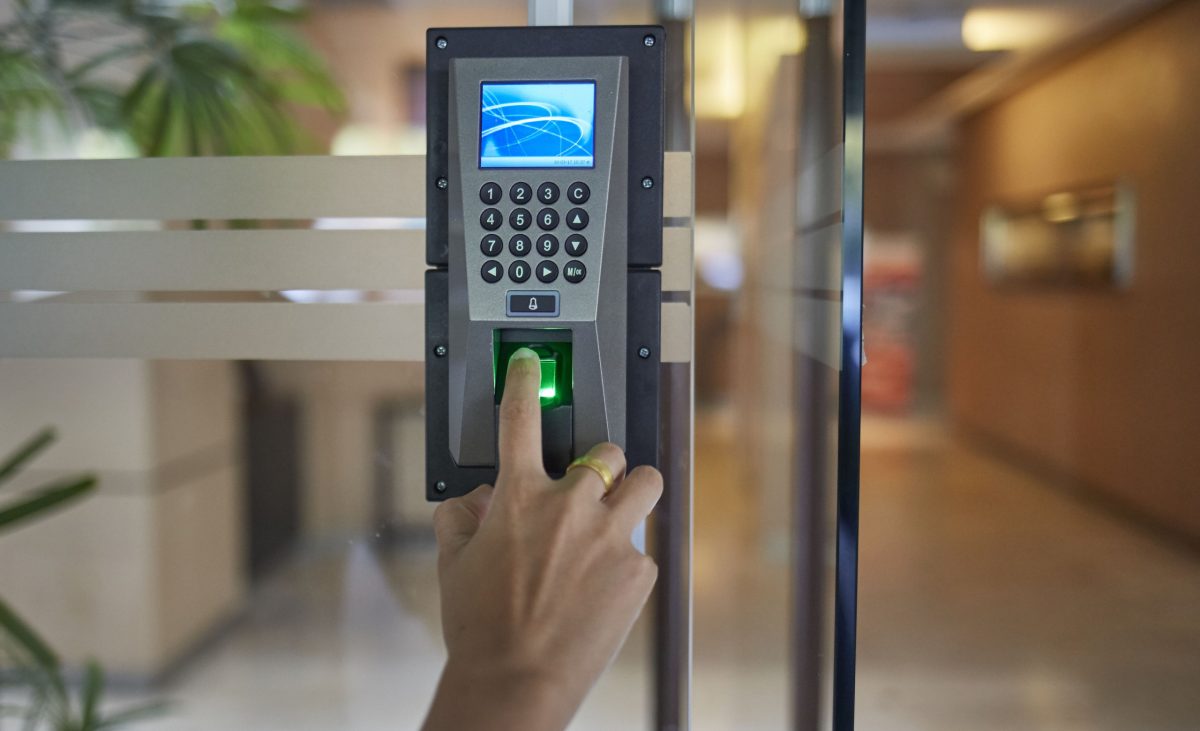
Fingerprint and keypad access control terminal

Access control

Decide who enters, through which door, at what times — with card, keypad or biometric entry, and a record of every movement for when a question comes up later.

Biometric · Card & keypad · Time & attendance · Door hardware

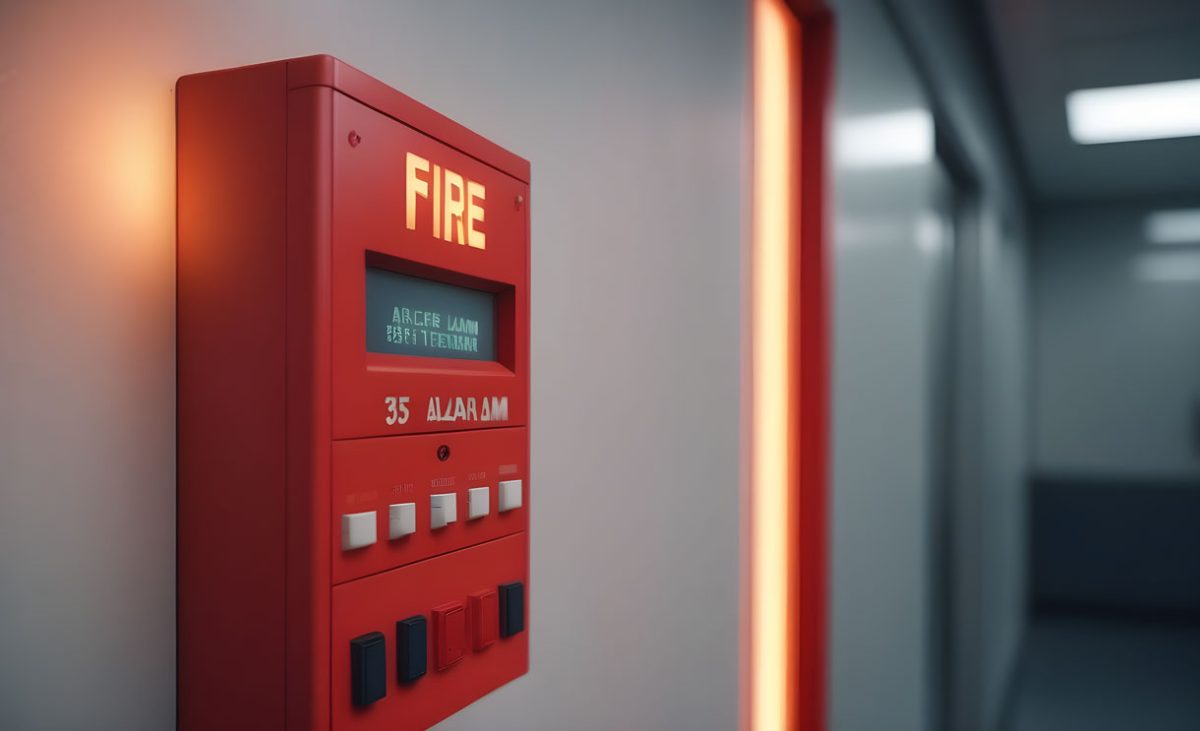
Fire alarm control panel

Fire alarm systems

Detection and alerting engineered for the building's layout and occupancy, so a fire is announced early and everyone hears it. Tested at handover and serviceable afterwards.

Addressable panels · Smoke & heat · Sounders · Suppression

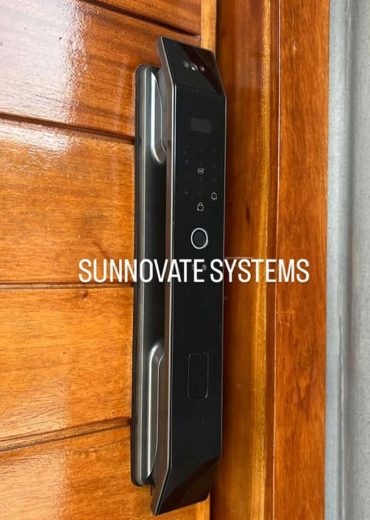
Smart door lock with fingerprint reader on a wooden door

Smart home automation

Lighting, locks, intercom and cameras controlled from one place, whether you are in the building or not — with schedules and alerts that reflect how the property is actually used.

Smart locks · Lighting control · Video intercom · Remote alerts

Where these systems go

Different properties, different threat models

Homes

Perimeter and approach

Coverage of the gate, driveway and blind sides of the building, with lighting that supports the cameras rather than blinding them.

Entry control

Smart locks and video intercom so household members and expected visitors get in without keys being copied.

Away visibility

Remote viewing and alerts, so the property is checkable from anywhere rather than only reviewable afterwards.

Offices

Staff access

Card or biometric entry by role and by hour, so the server room is not open to everyone with a building pass.

Attendance records

Time and attendance capture tied to the same credentials people already use to get through the door.

Fire compliance

Detection and alerting sized for occupancy, with a panel that tells you which zone triggered.

Estates

Gatehouse control

Entry and exit managed at a single controlled point, with vehicle and visitor records.

Shared infrastructure

Cameras and recording specified across common areas so residents share one coherent system rather than each buying their own.

Solar-powered coverage

Where cable runs are impractical, solar street lighting with integrated cameras extends coverage past the built area.

Facilities

Zoned access

Different clearance for different areas, with an auditable record of who entered which zone and when.

Continuous recording

Storage sized for the retention period you need, not the one the recorder shipped with.

Power resilience

Security systems that stay up during outages, because the energy side of the installation was designed alongside them.

Why one contractor

Security systems need power. That is not a coincidence.

Cameras, recorders, access controllers and alarm panels all draw continuous power — which is exactly what fails most often. A security installation designed without the energy system behind it goes dark at the moment it matters most.

Sunnovate designs both, so the recording rack, gate controller and alarm panel sit on the backup path from the start rather than being retrofitted onto it later.

Book a Combined Survey

One survey

Both systems assessed in a single visit, with cable routes planned once.

One design

Security load included in the energy sizing rather than discovered afterwards.

One install

Cabling and containment shared where sensible, which reduces disruption.

One number to call

No arguments about whose equipment failed when something stops working.

Security questions

What clients ask us

How many cameras does my property need?

Fewer than most people expect, if they are positioned properly. A survey identifies the entry points and sight lines that actually matter — four well-placed cameras usually beat eight arranged for symmetry.

Can I view the cameras from my phone?

Yes. Remote viewing is standard on network systems we install, and we set it up and show you how to use it before handover rather than leaving you with a manual.

How long is footage kept?

Retention depends on how much storage is installed, how many cameras record, and at what resolution and frame rate. We size storage for the retention period you specify rather than accepting whatever the recorder defaults to.

What happens during a power outage?

That depends entirely on whether the security load was included in the backup design. When Sunnovate handles both, it is. When a security system is fitted in isolation, it usually is not — which is the main argument for specifying them together.

Do you maintain systems after installation?

Yes. Maintenance and support arrangements are available for the systems we install — tell us what is installed and we will confirm what a service arrangement covers.

Next step

Start with a survey

A specification you can price beats a quote for equipment nobody has assessed.