In stock now: Hikvision CCTV cameras & recorders, priced and ready to order Shop now →

Energy solutions
Solar systems
Designed around your energy use
Inverter solutions
Sized against your real load
Battery storage
Backup for the hours you need
Backup power
Reliable supply without the generator
By property & service
Residential energy
Homes, apartments, estates
Commercial energy
Offices, retail, facilities
Installation & maintenance
Fitting, commissioning, support
All energy solutions
Compare every option
Free system sizing
Not sure what size you need?
Answer six questions and get an indicative array, inverter and battery size.
Find My System →
Security & ELV
CCTV surveillance
Cameras, recording, remote viewing
Access control
Cards, keypads, biometrics
Fire alarm systems
Detection and alerting
Smart home automation
Locks, lighting, intercom
Plan & buy
Use cases
Home, office, shop, estate, facility
Security projects
Completed installations
Book a security survey
Site assessment and quote
Shop security products
Cameras and recorders in stock
Site survey
Know exactly what to install
An engineer maps coverage, entry points and power before you spend anything.
Book a Survey →
Energy products
Solar panels
Mono, poly and bifacial
Inverters
Hybrid and pure sine
Batteries
Lithium and tubular
Complete systems
Specified as one system
Security products
CCTV cameras
Hikvision IP and Turbo HD
Recorders (NVR / DVR)
4 to 64 channels
Access control
Biometric, card and keypad
Fire alarm
Panels, detectors, call points
In stock now
Cameras and recorders, ready to order
Order online and pay securely with your card, or order on WhatsApp.
Shop Now →
About Sunnovate
Who we are
Lagos-based energy and security engineers
Our approach
Assess, design, install, support
Projects
Recent installations
Contact & consultation
Talk to an engineer
Talk to us
+234 706 551 5774
Call us, Mon to Sat
info@sunnovatesystems.com
We reply within one working day
Chat on WhatsApp
Sales, solar or security team
1 Otigba Street, Ikeja
Lagos, Nigeria
Who we are
One team for power and protection
We design, supply, install and support both pillars, so nothing falls between contractors.
About Us →
Energy guides
What size inverter do I need?
Sizing from your actual load
Lithium vs tubular batteries
Which is better value
What drives solar system cost
The five deciding factors
Cut generator running hours
Reduce fuel spend
Security guides & tools
How many CCTV cameras?
Planning coverage properly
Choosing a security system
CCTV, access or fire first
All guides
Browse the full library
Find my system
Skip the reading, get a size
Buyer guides
Make the decision with the numbers
Plain-English guides written by the engineers who size and install these systems.
Read the Guides →
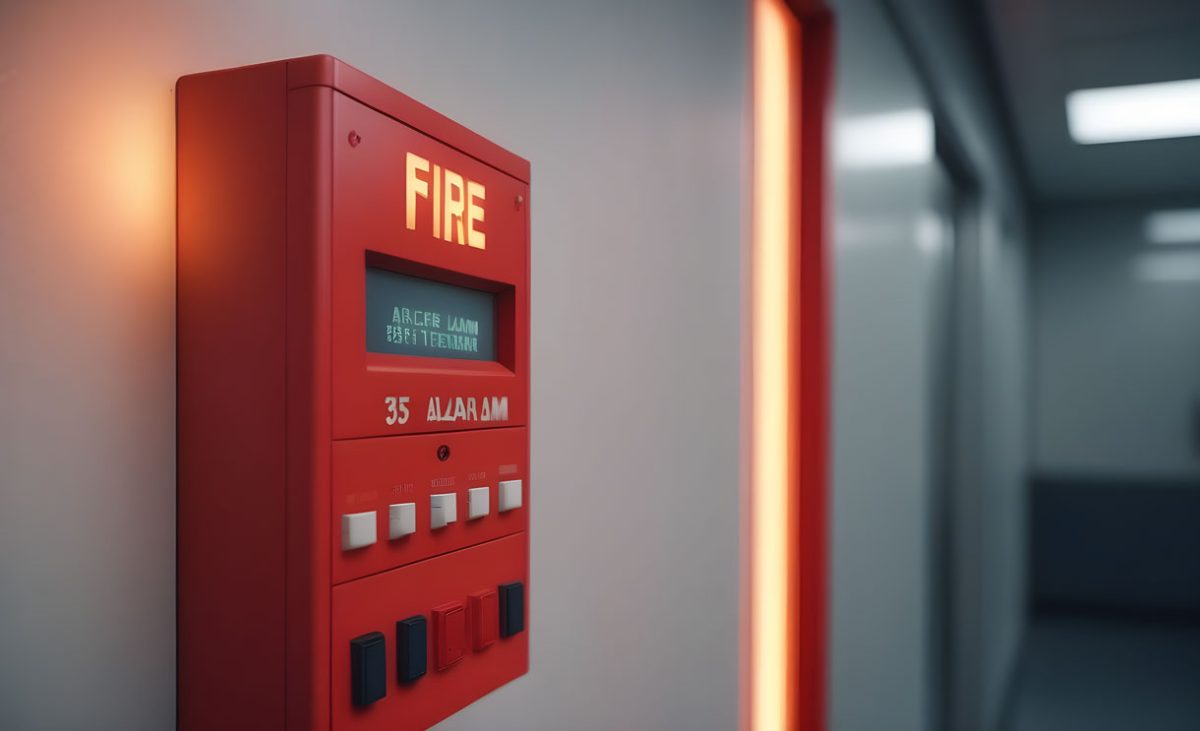
What a system does
Detection placed for the building layout, so smoke or heat is picked up where it will actually start rather than where the ceiling was convenient.
Alerting sized for the building, so the alarm is audible in every occupied space. And on addressable systems, a panel that tells you which zone triggered instead of only that something did.
Detection — smoke and heat detectors positioned for the layout
Alarms — sounders sized so every occupied space hears them
Monitoring — panels that identify the zone that triggered
System design — coverage matched to building use and occupancy
Installation — fitted, wired and tested before handover
Use cases
Occupancy and layout drive the design more than floor area does.
Sleeping occupants who need warning early enough to get out.
Detection at the points a domestic fire typically starts, with alarms audible in bedrooms.
Multiple occupied rooms where people may not see or smell an early fire.
Zoned detection with a panel identifying the affected area, and sounders across the floor.
Public areas and stockrooms with a mix of occupants who do not know the building.
Coverage across public and back-of-house areas, with clear alerting on escape routes.
Larger footprints where locating the source quickly matters.
Addressable systems that report the specific zone, so response is directed rather than searching.
How a project runs
Every stage exists so the system works on the day it is needed.
01
Building layout, occupancy, escape routes and existing provision.
02
Detector positions, zones, sounder coverage and panel type.
03
Panel, detectors, call points and sounders fitted and wired.
04
System tested and demonstrated to your team before handover.
Shop
Fire detection is specified per building, so these route to a quote rather than direct checkout.
Fire panels, cameras and access controllers draw continuous power — and they fail exactly when the supply does. We design the energy side too, so they stay up.
Common questions
One where the panel identifies which specific device triggered, rather than only which circuit. On a larger building that is the difference between going straight to the source and searching for it.
Detection is worth having in any building with sleeping occupants. The scale differs enormously between a house and an office block, which is what the survey establishes.
Testing frequency depends on the system and the building. We set out what applies to your specific installation at handover rather than quoting a generic schedule.
Tell us what the building requires when you enquire and we will confirm what we can cover for your site.
Fire systems are designed with standby supply in mind. Where Sunnovate also designs the energy system, the panel sits on the backup path from the start.
Next step
Start with a survey of the building and how it is occupied.