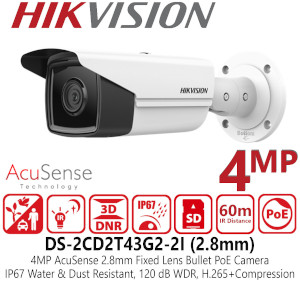
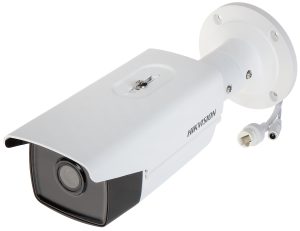
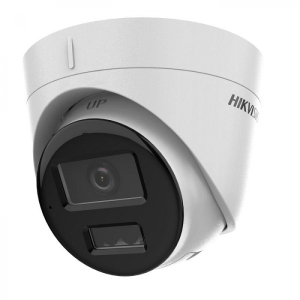
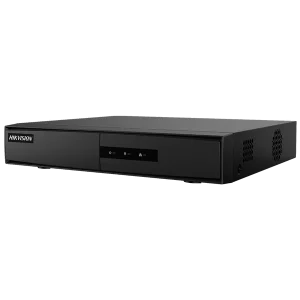
In stock now: Hikvision CCTV cameras & recorders, priced and ready to order Shop now →

Energy solutions
Solar systems
Designed around your energy use
Inverter solutions
Sized against your real load
Battery storage
Backup for the hours you need
Backup power
Reliable supply without the generator
By property & service
Residential energy
Homes, apartments, estates
Commercial energy
Offices, retail, facilities
Installation & maintenance
Fitting, commissioning, support
All energy solutions
Compare every option
Free system sizing
Not sure what size you need?
Answer six questions and get an indicative array, inverter and battery size.
Find My System →
Security & ELV
CCTV surveillance
Cameras, recording, remote viewing
Access control
Cards, keypads, biometrics
Fire alarm systems
Detection and alerting
Smart home automation
Locks, lighting, intercom
Plan & buy
Use cases
Home, office, shop, estate, facility
Security projects
Completed installations
Book a security survey
Site assessment and quote
Shop security products
Cameras and recorders in stock
Site survey
Know exactly what to install
An engineer maps coverage, entry points and power before you spend anything.
Book a Survey →
Energy products
Solar panels
Mono, poly and bifacial
Inverters
Hybrid and pure sine
Batteries
Lithium and tubular
Complete systems
Specified as one system
Security products
CCTV cameras
Hikvision IP and Turbo HD
Recorders (NVR / DVR)
4 to 64 channels
Access control
Biometric, card and keypad
Fire alarm
Panels, detectors, call points
In stock now
Cameras and recorders, ready to order
Order online and pay securely with your card, or order on WhatsApp.
Shop Now →
About Sunnovate
Who we are
Lagos-based energy and security engineers
Our approach
Assess, design, install, support
Projects
Recent installations
Contact & consultation
Talk to an engineer
Talk to us
+234 706 551 5774
Call us, Mon to Sat
info@sunnovatesystems.com
We reply within one working day
Chat on WhatsApp
Sales, solar or security team
1 Otigba Street, Ikeja
Lagos, Nigeria
Who we are
One team for power and protection
We design, supply, install and support both pillars, so nothing falls between contractors.
About Us →
Energy guides
What size inverter do I need?
Sizing from your actual load
Lithium vs tubular batteries
Which is better value
What drives solar system cost
The five deciding factors
Cut generator running hours
Reduce fuel spend
Security guides & tools
How many CCTV cameras?
Planning coverage properly
Choosing a security system
CCTV, access or fire first
All guides
Browse the full library
Find my system
Skip the reading, get a size
Buyer guides
Make the decision with the numbers
Plain-English guides written by the engineers who size and install these systems.
Read the Guides →
The problem
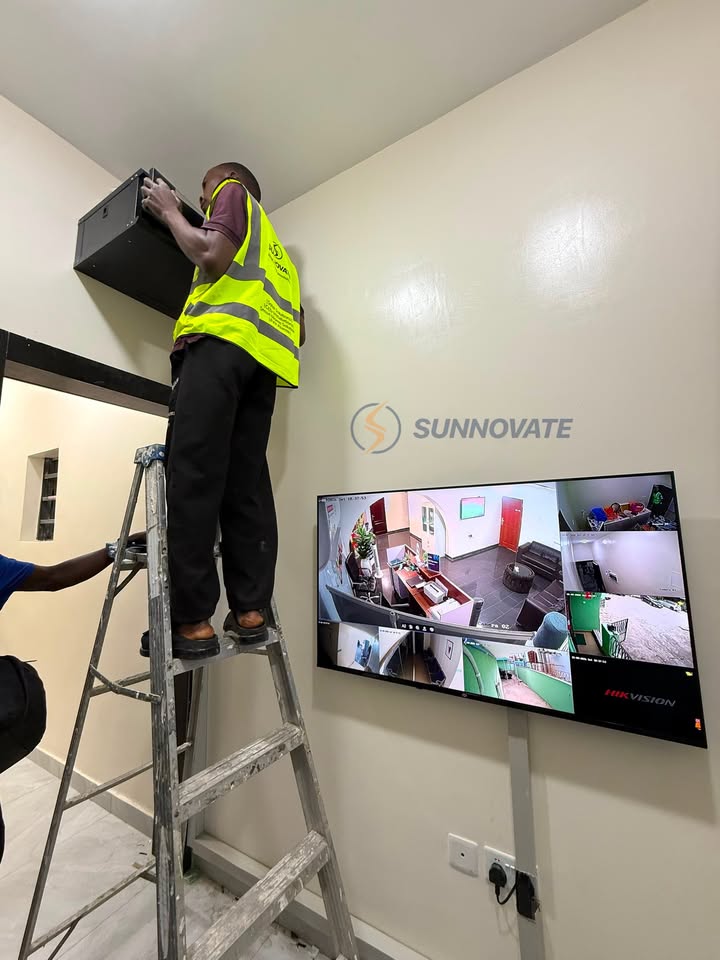
The footage covers the wrong angle. The recorder overwrote the week you needed. Nobody can log in to the machine that holds the log. The camera that mattered was pointing at a wall.
Every one of those is a design failure rather than an equipment failure — which is why a survey matters more than the camera specification.
Coverage arranged for symmetry rather than for the routes people actually take.
Cameras fighting backlight, or mounted where they capture the top of a head.
Retention left at whatever the recorder shipped with, overwriting the evidence.
A system nobody set up properly, so nobody checks it.
The solution
A survey establishes the entry points, sight lines and lighting conditions that actually matter. Four well-placed cameras usually beat eight arranged for appearances.
Recording is then sized for the retention period you specify, and remote viewing is configured and demonstrated before handover rather than left as a manual for you to work through.
Cameras — network or analogue, dome, bullet or PTZ as the position requires
Recording — NVR or DVR with storage sized for your retention period
Viewing — remote access set up and demonstrated at handover
Coverage — planned around entry points and sight lines
Installation — cabling, mounting and configuration by our own engineers
Property types
The camera count is an output of the survey. These are the patterns behind it.
Gate, driveway and the blind sides of the building, usually with poor night lighting.
Coverage of the approach with colour night imaging, plus remote viewing so the property is checkable while you are away.
Reception, corridors and server or stock areas where access needs a record.
Cameras positioned to capture faces at controlled points, tied into the access system where one exists.
Till points, entrances and stockrooms where visibility deters as much as it records.
Positions that make surveillance visible at the door and detailed at the counter.
Gatehouse, perimeter and shared common areas across multiple buildings.
A single coherent system across shared infrastructure rather than each resident buying their own.
Yards, loading areas and long perimeters, often beyond easy cable runs.
Longer-range cameras and, where cabling is impractical, solar-powered lighting with integrated cameras.
Shop
Surveillance equipment from the Sunnovate catalogue, available to order now.
Proof of work
Real projects from the Sunnovate portfolio.
Cameras, recorders and access controllers draw continuous power — and they fail exactly when the supply does. We design the energy side too, so they stay up.
Common questions
Usually fewer than people expect, if they are positioned properly. A survey identifies the entry points and sight lines that matter — four well-placed cameras generally beat eight arranged for symmetry.
Yes. Remote viewing is standard on the network systems we install, and we configure it and show you how to use it before handover.
Retention depends on how much storage is installed, how many cameras record, and at what resolution and frame rate. We size storage for the retention period you specify rather than accepting the recorder default.
The systems we supply use infrared or hybrid lighting for night imaging, and several produce full colour after dark. Which is appropriate depends on the position and its existing lighting.
That depends entirely on whether the security load was included in the backup design. When Sunnovate handles both pillars it is — which is the main argument for specifying them together.
Next step
A survey produces a specification you can price. A catalogue does not.